
Introduction
Eco-friendly reusable menstrual cups have become the ultimate alternative to throwaway sanitary pads and tampons in recent years. Thousands of women globally are abandoning these products for this environment-friendly solution for a variety of reasons—from environmental concerns to personal comfort. We’ll take you through all you’d want to know about reusable menstrual cups, from safe usage to being a good choice for your health and the well-being of the planet.
What is a Menstrual Cup?
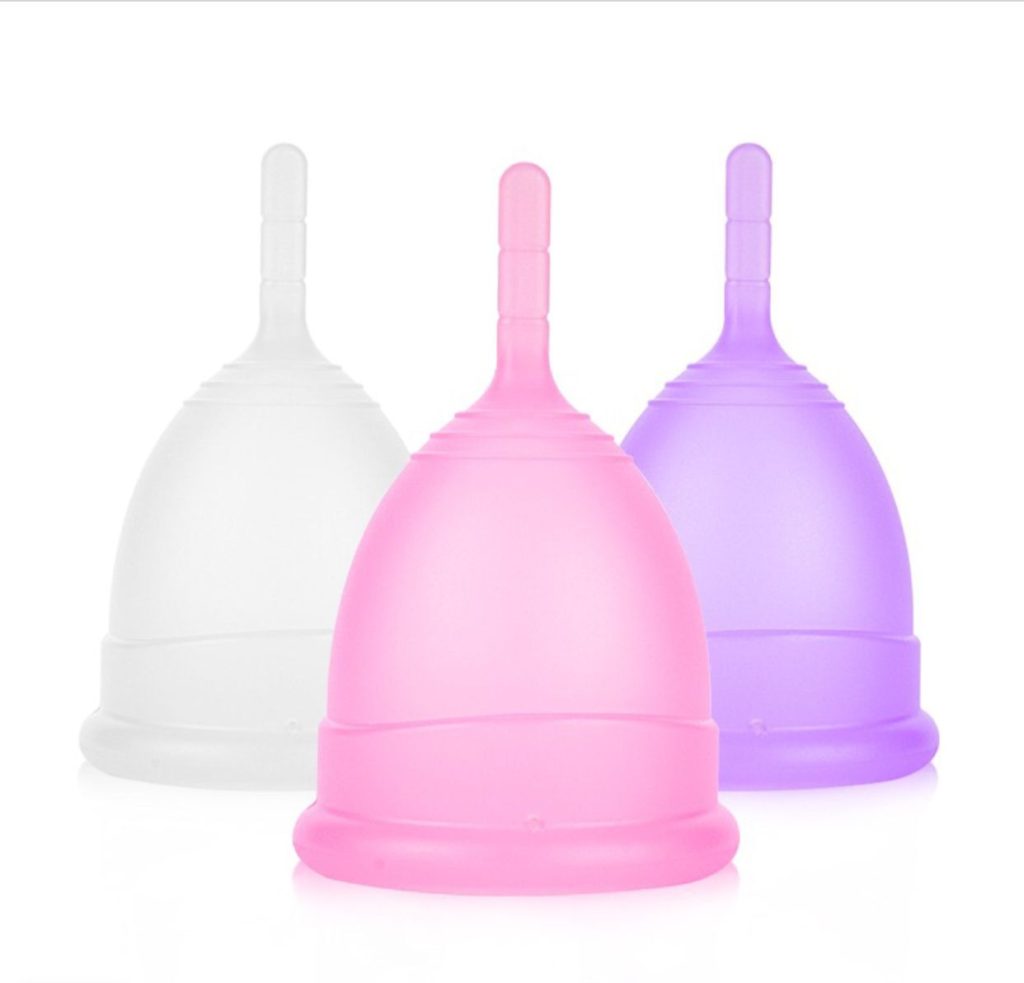
Menstrual cups are small, flexible, and funnel-shaped in design, fabricated from medical-grade silicones, latex, or rubber. It’s designed to be inserted into the vagina to collect the menstrual fluid rather than absorb it during menses. Whereas the original patent was considered in 1937, wide usage of menstrual cups has only become mainstream with the recent rise of eco-consciousness and women’s health movements.
Unlike tampons and pads, which are disposed of after every use, a menstrual cup could be reused for a couple of years if properly looked after. This makes it more economical and also very attractive to females seeking a no-hassle, affordable method to handle their menses.
How to use a menstrual cup
The use of a reusable menstrual cups may seem intimidating for the very first time, but in reality, it is really simple once you learn all the steps. Here is a comprehensive guide on how to use it safely and comfortably:
Before You Insert Your Menstrual Cup
Before you insert the menstrual cup, this is where you take the time to wash up your hands well to avoid bringing in any bacteria. You sterilize it by first boiling it in water for 10-5 minutes, ensuring that it is fully submerged to avoid damage. You should always sterilize the cup before the first use at each menstrual cycle.
Most people find it easier to insert with a little bit of water-based lubricant around the rim of the cup, especially when you’re new with it. Just make sure that the lubricant is silicone-friendly, so it wouldn’t degrade the material.
How to Insert Your Menstrual Cup
The key to comfortable insertion is a relaxed pelvic floor muscle. You want to fold the menstrual cup into either a C-fold or punch-down fold to achieve the most compact shape to get it inside. Then, insert the folded cup into your vagina while guiding the insertion toward your lower back. Once it is in, let it go, and the cup will pop open and create the seal against your vaginal walls.
Turn the cup or run your finger around the rim to ensure it opens fully and seals. This will help you avoid leaking and allow ultimate comfort. If it is in place right, you shouldn’t feel it at all.
How to Know When to Take Your Menstrual Cup Out
Believe it or not, menstrual cups could be worn for around 12 continuous hours, depending on your flow. A woman with heavier flow would need to empty it more frequently, say every 4 to 8 hours. Not to exceed beyond the said time to keep away from bacterial growths, such as Toxic Shock Syndrome or TSS, although much lower with cups than tampons.
Emptying Your Menstrual Cup
The menstrual cup is fairly easy to remove; however, caution must be taken not to telescope the cup out by the stem. Instead, pinch the bottom of the cup where the base is to let the seal go, then wiggle it out. Dump the contents into the toilet and, after rinsing the cup with water, reinsert as necessary.
You can even take toilet paper and wipe the cup down if that makes you feel better, put it back in, and then wash it good later.
Care of the Menstrual Cup
Taking proper aftercare will increase the safety and durability of your reusable menstrual cups. After use, rinse the cup with cold water to avoid stains, then wash with warm water and mild, unscented soap. Do not use any harsh chemicals or scented products that may irritate your skin and degrade the silicone either. Sterilize the cup at the end of your cycle by boiling for 5–10 minutes, then store in a breathable pouch until next use.
What are the advantages associated with the use of menstrual cups?
The advantages with the menstrual cup are far beyond the convenience factor:
- One appeal simply is the eco-friendliness: unlike those pads and tampons, which outlive for hundreds of years, a menstrual cup can be reused several years provided that it is well taken care of, reducing quite a bit of waste.
- Budget-friendly: Though it is more expensive than regular disposables at the start, which costs around 2000 to 400 ksh, it could last up to as long as 10 years when properly taken care of; hence, saving hundreds of dollars over time.
- Health Benefits: Menstrual cups are manufactured from medical materials and do not contain harmful chemicals such as dioxins, which the bleached tampons sometimes carry. Also, they collect rather than absorb, so they will not disturb the natural vaginal moisture or pH level.
- Fewer Changes: Menstrual cups can hold more liquid compared to tampons and pads, which means they won’t need changes as often, thus being perfect for those busy days or even for sleeping.
What are the disadvantages of using menstrual cups?
While menstrual cups confer a good number of advantages, disadvantages are listed below:
- Learning Curve: It can take some time to get used to correctly inserting and removing the cup. Some may have a feeling of discomfort in the beginning, which could be due to improper positioning.
- Maintenance: As opposed to the use of tampons or pads, which are simply disposed of, menstrual cups must be cleaned regularly, which can be an annoyance, especially using public restrooms.
- Suction issues might be the result of poor insertion, which causes discomfort or even pain when trying to take out the cup due to the suction effect.
- Not all people are forced to wear the same size: Menstrual cups are sold in different sizes, and finding the proper fit for one’s body may take some trial and error. Some women may find them unsuitable for the anatomy of their cervix or vagina.
Safety Precautions with Menstrual Cups
Use a lubricant of some sort—water-based will go down easier—to ease the insertion, if you are dry.
- Wash Thoroughly: Never forget to clean your reusable menstrual cups—thumbs and cup—to avoid infection.
- Not more than 12 hours: Although menstrual cups are safe, their removal is to be done within this timeline to minimize the chances of bacterial infections.
- Replace When Necessary: Although cups can be used for as many as 10 years, watch for cracks or other damage and replace them when necessary.
Frequently Asked Questions (FAQs)
Can it be worn at night? Yes! One can wear menstrual cups overnight. You won’t have to wake up in the middle of the night to make frequent changes but do not exceed the time beyond 12 hours.
How do I know my menstrual cup is in correctly? It should not feel uncomfortable when it’s in properly, and it shouldn’t leak or cause discomfort. You may need to give it a slight turn after insertion, so that the cup is open completely, sealing properly.
Is it safe to use a menstrual cup if my flow is heavy? Yes. Menstrual cups have a greater fluid capacity than tampons, so they befit women with much heavier flows.
Can I use a menstrual cup with an IUD? Yes, they can be used together, but when having one, it’s always best to consult a doctor since the strings may interfere with the positioning of a menstrual cup.
How do I know which size is right? Most reusable menstrual cups come in small or large, and sizing guides indicate age, whether you’ve had children, or your flow. First, start with the guide from the manufacturer.
Do menstrual cups cause Toxic Shock Syndrome? While the risk of TSS is much lower when using menstrual cups than tampons, hygiene practices are very important, as well as not exceeding the time of wear for more than 12 hours.
The Point
Apart from having many environmental and financial benefits in the long term, switching to a reusable menstrual cups has its advantages. Though it does have a learning curve, like any other product, and some maintenance involved, many women find the switch worth it for comfort and convenience. If cared for correctly and used the right way, reusable menstrual cups can be a safe, environmentally friendly, effective way of dealing with menstruation.

