
Discoloured Menstrual Cup: Causes, Prevention, and Cleaning Tips
Introduction
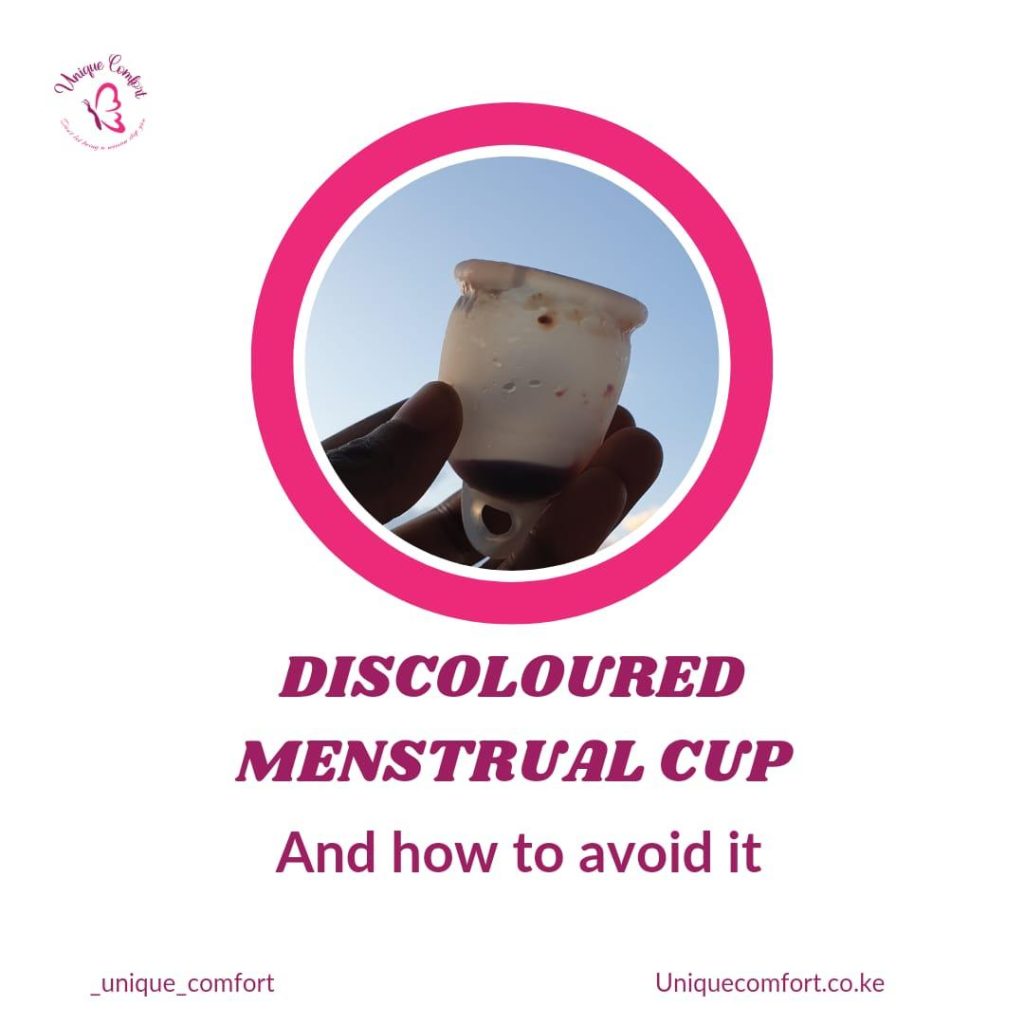
Menstrual cups are a fantastic eco-friendly and cost-effective alternative to traditional period products. However, over time, many users notice that their once-clear or brightly coloured cup starts turning yellow or brown. This discoloration can be concerning, but it’s usually harmless. In this article, we will explore the common causes of menstrual cup staining, how to prevent it, and the best ways to clean a discoloured cup.
What is a Menstrual Cup?
A menstrual cup is a reusable silicone or rubber device designed to collect menstrual flow. Unlike pads and tampons, which absorb blood, the cup holds it, making it a more sustainable choice. It can last for years with proper care, but many users notice discoloration after a few months of use.
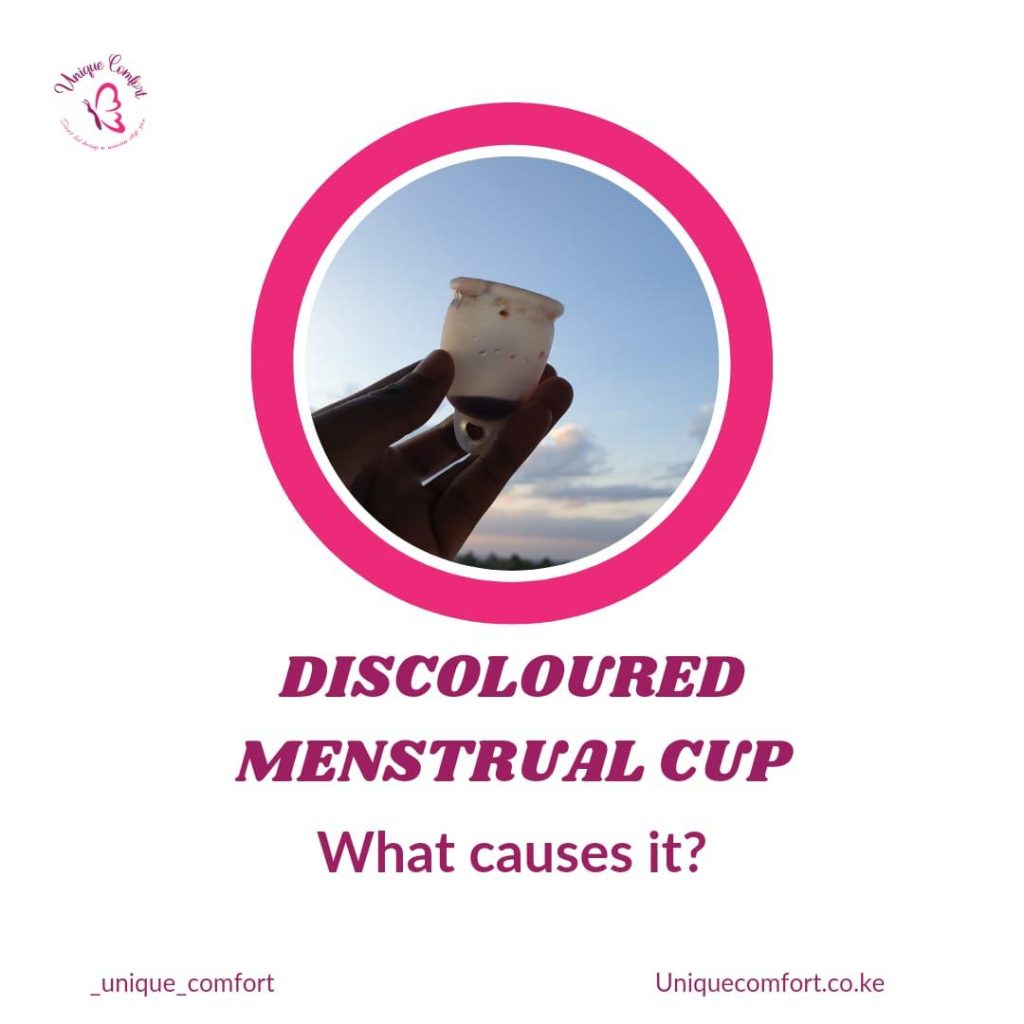
Why Does a Menstrual Cup Become Discoloured?
1. Blood Stains and Oxidation
Menstrual blood contains iron and other pigments that can leave stubborn stains on the cup. Over time, oxidation (exposure to air) can darken these stains, making the cup appear yellow or brown.
2. Improper Cleaning Methods
Using harsh soaps, scented detergents, or not rinsing thoroughly can lead to residue buildup. This buildup can cause a chemical reaction that alters the cup’s color.
3. Hard Water and Mineral Deposits
If you live in an area with hard water, minerals like calcium and magnesium can accumulate on your cup, creating a cloudy or whitish tint.
4. Exposure to Sunlight or Heat
Leaving your menstrual cup in direct sunlight or exposing it to excessive heat can cause discoloration due to UV rays breaking down the material.
5. Natural Aging and Wear
Menstrual cups don’t last forever. Over time, the material naturally degrades, and discoloration can be a sign that it’s time to replace your cup.
Is a Discoloured Menstrual Cup Safe to Use?
Yes! A stained menstrual cup does not necessarily mean it’s unsafe. As long as it is cleaned properly and does not have any cracks or tears, it can still be used. However, if there is an unusual odor, texture change, or irritation, you might need to replace it.
How to Prevent Menstrual Cup Discolouration
1. Proper Cleaning Techniques
- Rinse the cup immediately after removal to prevent stains from setting.
- Use mild, unscented soap without glycerin or oils.
- Boil the cup once a month to remove lingering bacteria and stains.
2. Storage and Maintenance Tips
- Store your cup in a breathable cotton bag, not in an airtight container.
- Avoid leaving it in direct sunlight, as UV rays can degrade the material.
3. How Often to Replace a Menstrual Cup?
- Most brands recommend replacing a cup every 1-5 years, depending on usage and care.
- If your cup has become sticky, has cracks, or emits an odor even after cleaning, it’s time for a new one.
How to Remove Stains from a Discoloured Menstrual Cup
1. Hydrogen Peroxide Soak
- Soak the cup in a 3% hydrogen peroxide solution (1 part peroxide to 2 parts water) for a few hours to brighten the color.
2. Baking Soda and Lemon Cleaning Method
- Make a paste of baking soda and lemon juice, gently rub it on the stained areas, and rinse thoroughly.
3. Deep Boiling for Stubborn Stains
- Boil your menstrual cup in clean water for 5-10 minutes to help remove deep-set stains.
Frequently Asked Questions
1. Can I use bleach to clean my menstrual cup?
No! Bleach can damage the material and cause irritation. Stick to gentle cleaning methods.
2. How often should I replace my menstrual cup?
With proper care, it can last 1-5 years, but replace it if it shows signs of damage.
3. Is a discoloured menstrual cup unhygienic?
No, as long as it’s properly cleaned and sterilized.
4. Can I prevent staining completely?
Not entirely, but regular cleaning and immediate rinsing help minimize it.
5. Does a stained cup cause infections?
Stains alone do not cause infections. Poor cleaning habits, however, can.
6. Will a darker-colored menstrual cup prevent visible stains?
Yes, darker cups show stains less, but they still require proper care.
Conclusion
Discoloration in a menstrual cup is a common occurrence and is usually harmless. By understanding the causes and following proper cleaning methods, you can keep your cup in good condition for years. If your cup develops a strong odor, cracks, or texture changes, consider replacing it.

